
01
Material recovery
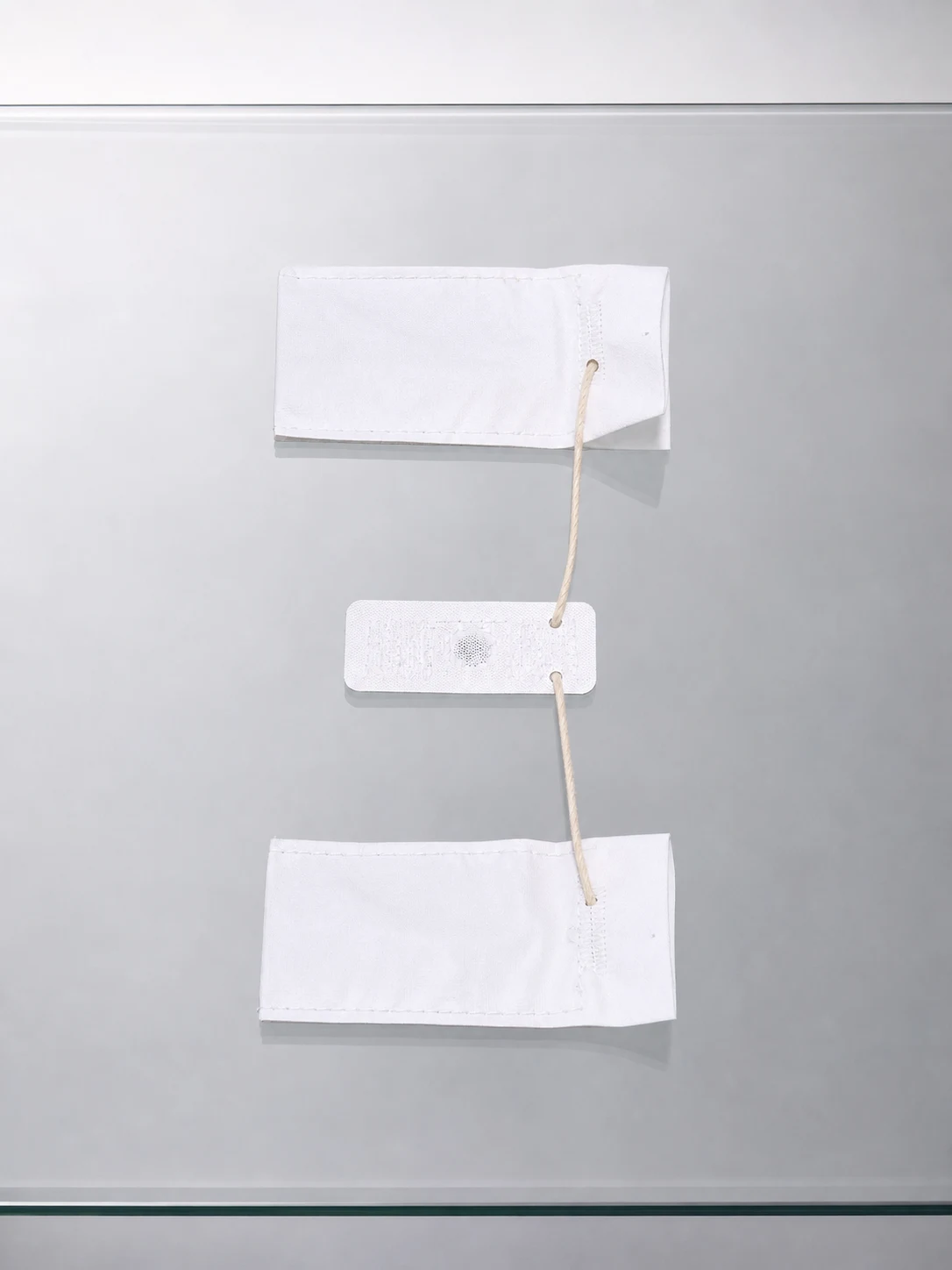
We use reusable RFID chips to record production flow, maintaining traceability while reducing waste and environmental pollution from single-use consumables.
We believe sustainability is not decorative language. It is a manufacturing mindset that runs through material selection, process decisions, quality control, and long-term use.
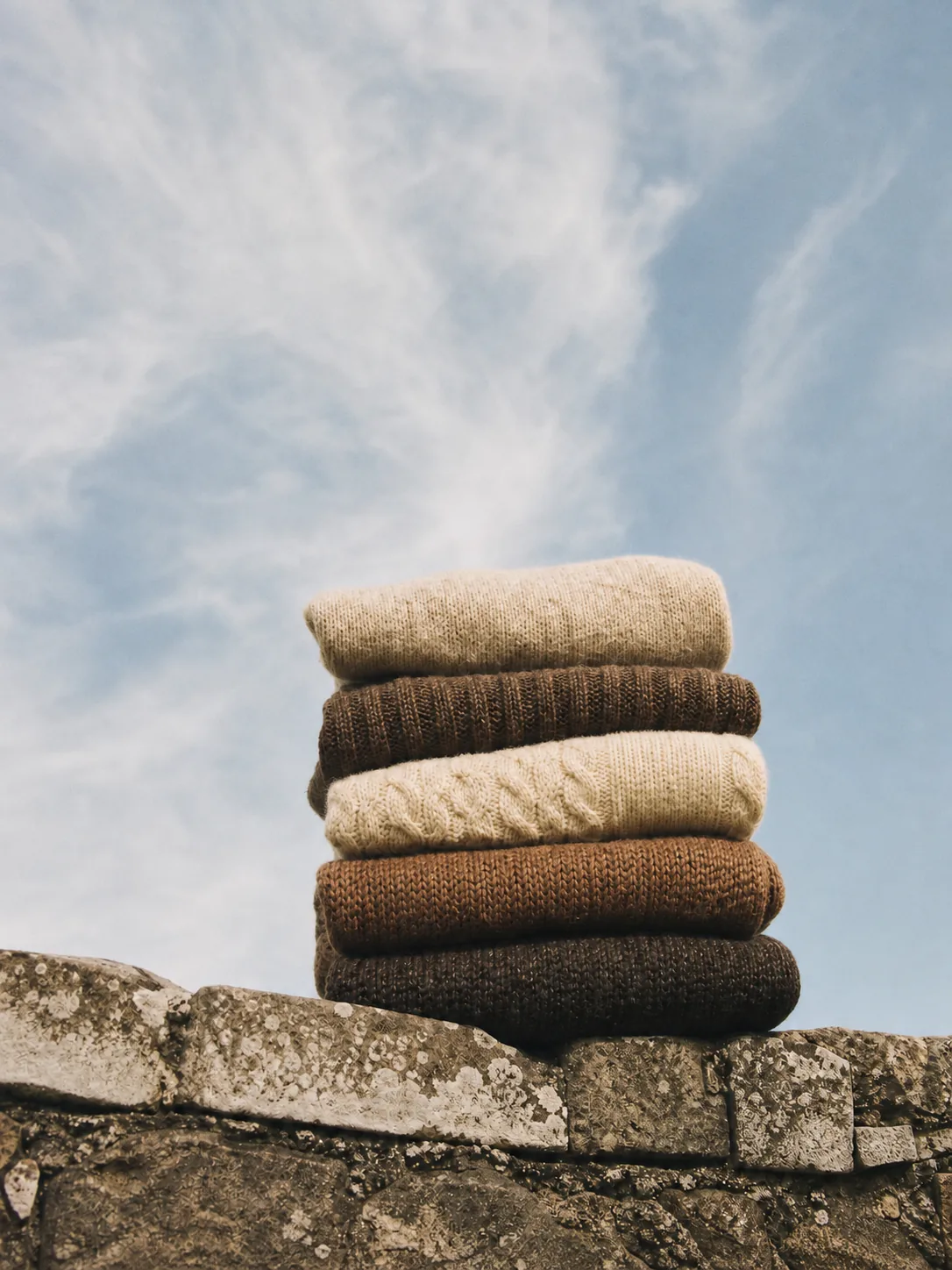
From traceability and material use to energy management, we make lower-waste choices part of each production stage.
01
We use reusable RFID chips to record production flow, maintaining traceability while reducing waste and environmental pollution from single-use consumables.


02
Customer audits, third-party audits, quality audits, and social-responsibility audits, together with the related certificates, provide verifiable standards for production safety, process stability, and responsibility.
03
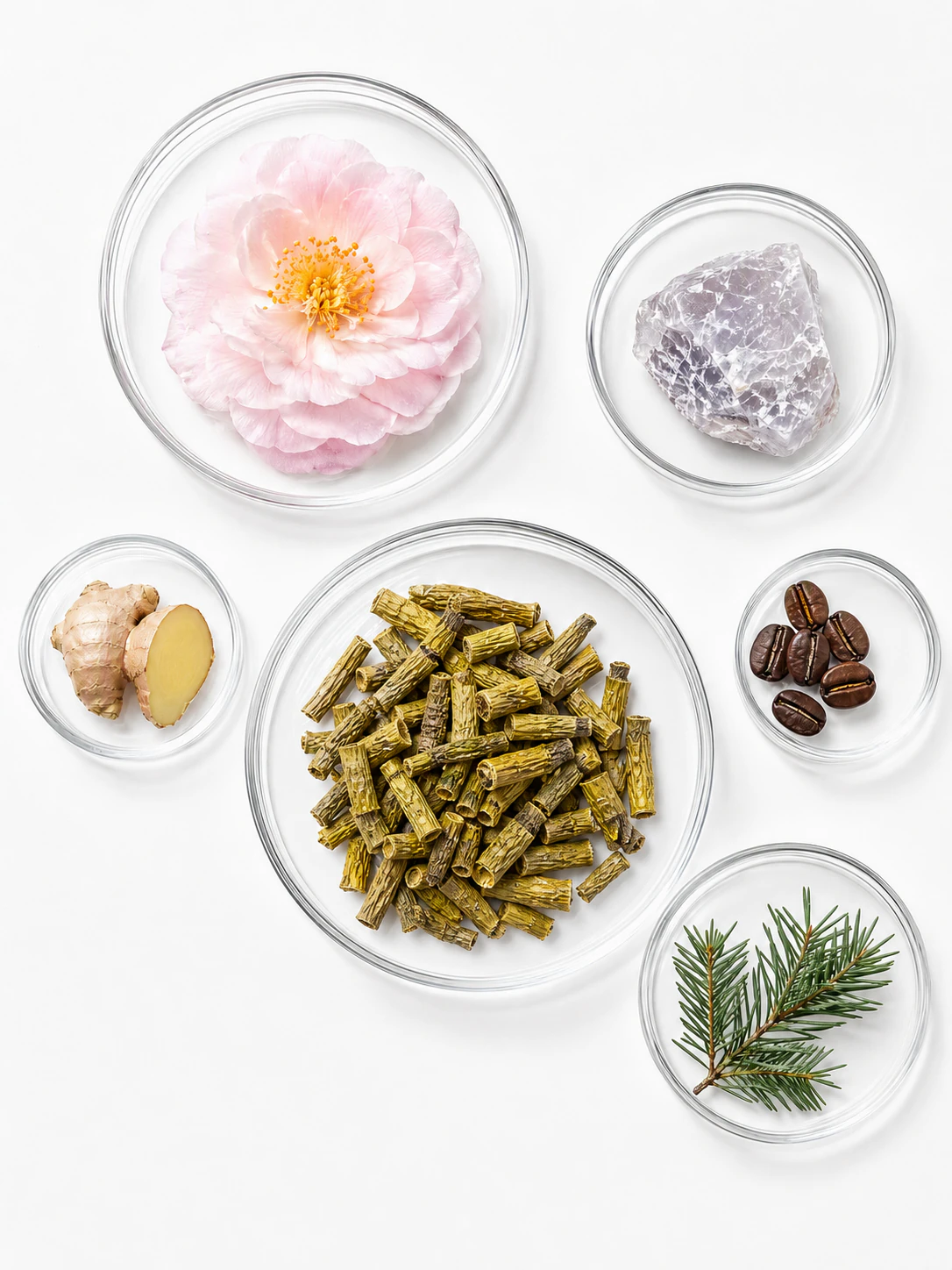
We develop and promote products using bio-based, renewable, biodegradable, organic-cotton, and other environmentally responsible materials, so sustainable choices can enter real product development.
04
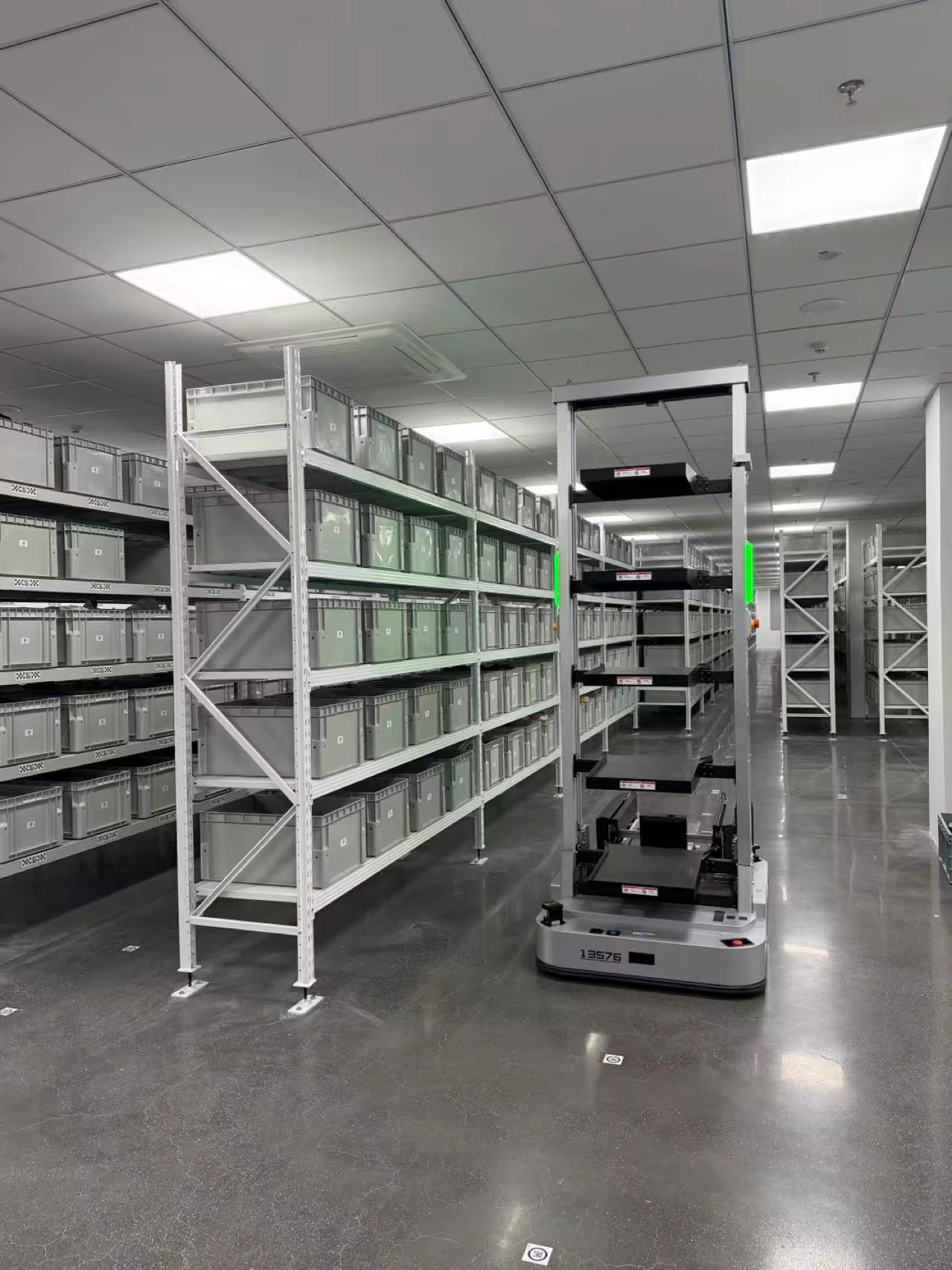
An intelligent sample-yarn warehouse supports reuse and reduces overproduction from small-batch dye sampling. We also work with local government to recover expired sample yarn on a regular basis.
05
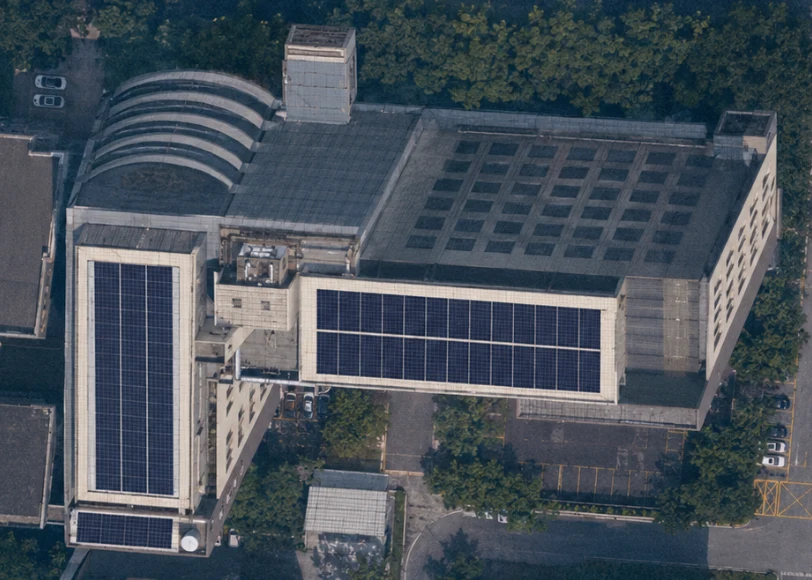
Solar photovoltaic panels supply electricity and reduce reliance on conventional energy.
At peak, covers up to 91% of factory electricity demand
06
In collaboration with a team led by professors from the School of Textile Science and Engineering at Jiangnan University, we established a material-development laboratory to research functional fibres and create new social value with the industry chain.
Respect materials
Material judgement
Start with yarn, composition, and hand feel instead of leaving environmental responsibility on the label.
Reduce waste
Fewer false starts
Use precise sampling and careful production control to reduce unnecessary trial and error and wasted resources.
Make to last
Long use
Let fabric, fit, and workmanship stand up to real wearing and repeated use.